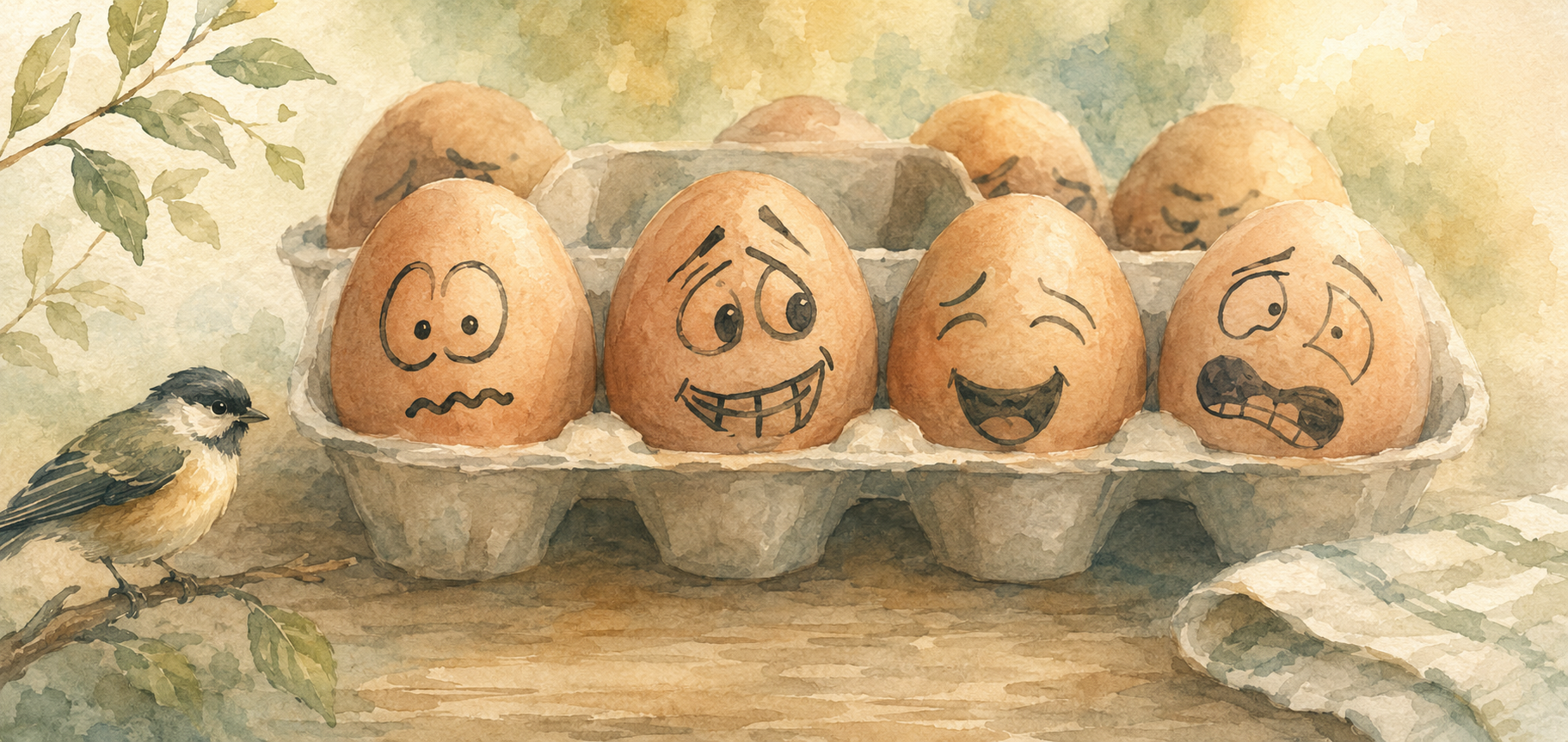
Do you try to “Fix” everything?
Why 'Fixing' Your Partner Can Invalidate Their Pain
The Greatest Gift Isn't a Solution:
Why 'Fixing' Your Partner Can Invalidate Their Pain
If someone you love is in pain, your first instinct is often to help. To find the problem and solve it. You see them hurting, and you want to hand them a tool, a strategy, a plan—anything to make the hurt stop. This impulse almost always comes from a place of deep love.
But what if this very instinct, as well-intentioned as it is, can sometimes push the person you love even deeper into their isolation?
In my work with individuals and couples, I often see a painful pattern: one partner is struggling, and the other, playing the role of the “fixer,” jumps into action. Yet, despite the effort, both people are left feeling frustrated, disconnected, and misunderstood.
The reason is this: When you try to “fix” a person’s emotional pain, you are often inadvertently invalidating their experience.
The Unintended Message of the "Fix"
When we immediately offer solutions "You should try this," "Just think positively," "Here’s what you need to do" we are often responding to our own discomfort with their pain. We can't bear to see them suffer, so we rush to close the emotional wound. In doing so, we skip the most critical part of connection: validation.
The subtle message becomes: "Your current feeling is a problem that needs to be solved quickly. It is too uncomfortable for me to just sit with, so let's make it go away."
This can make the hurting person feel that their emotion is wrong, inconvenient, or too much to handle. They learn to swallow their pain to maintain the connection, a survival strategy that John Bradshaw, in his work on the inner child, would say leads to "carried shame" the belief that our authentic feelings are unacceptable.
The Shift: From Technician to Companion
Emotional maturity, in life and in love, is not about having all the answers. It’s about having the capacity to be a compassionate witness. It’s the shift from being a technician who tries to repair the broken part, to being a companion who sits with someone in the dark, assuring them they are not alone.
What does this look like in a relationship?
Instead of saying:
"You just need to go for a run, you'll feel better." (Fixing)
"I told you that job was a bad idea." (Critiquing)
"Don't be sad, look on the bright side!" (Dismissing)
The companion might say:
"This sounds incredibly hard. Tell me more about how you're feeling." (Inviting)
"I can see how much this is hurting you. I'm right here with you." (Validating)
"It makes complete sense that you feel this way." (Normalizing)
This doesn’t mean you agree with a negative perspective, but that you acknowledge the truth of their internal experience. You are holding a safe space for their reality to exist without immediate judgment or correction.
The Alchemy of "Sitting With"
Healing doesn't always happen when a problem is solved. More often, it happens when a person feels truly seen, heard, and felt. When their partner has the courage to put down their toolbox and simply offer their presence, they are sending the most powerful message of all:
"You are not broken. Your feelings are not a problem to be fixed. You, and all that you are feeling, are welcome here with me."
This act of "sitting with" is an act of profound courage. It requires us to tolerate our own helplessness and trust that connection is more powerful than any quick-fix solution. It’s in this sacred space of validation that the walls of shame and isolation begin to crumble, and true healing can begin.
If you see yourself in the role of the "fixer" or if you feel your pain is constantly being "solved" instead of held, know that this is a common dynamic, and it can be changed. In the safe space of my counselling studio in Bannockburn, we can explore these patterns, build new skills for emotional connection, and help you and your partner learn the transformative language of true, validating presence.
If you're ready to move from fixing to connecting, reach out to Birdhouse Counselling. I offer a compassionate space for couples and individuals in Bannockburn, Geelong, and the Golden Plains region to heal and grow together.
This blog is my personal reflections upon my training and in no way should be used as a guide to ‘healing”
Always consult a with a healthcare professional for personalized guidance.